Preparing Your Documents for South Carolina's Tax Season
Understanding South Carolina's Tax Requirements
As the tax season approaches, it's essential to prepare your documents efficiently to ensure a smooth filing process in South Carolina. Understanding the state's specific tax requirements can help you avoid unnecessary stress and potential penalties. Familiarize yourself with the types of taxes you might owe, including income tax, property tax, and any local taxes that apply to your situation.
Gathering Necessary Documentation
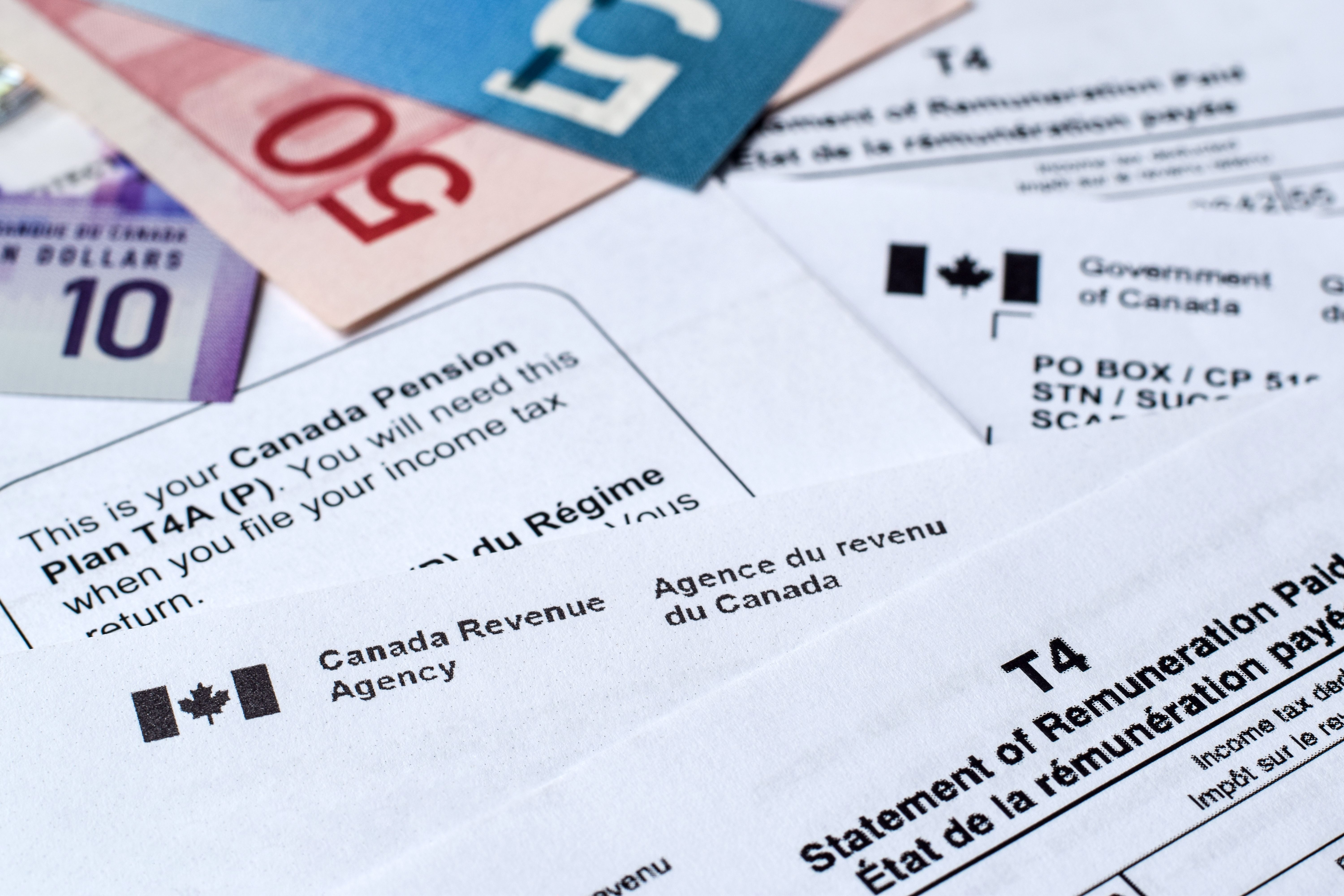
Start by collecting all the necessary documentation you'll need for filing. This includes W-2s from employers, 1099s for any freelance or contract work, and documentation for any other income sources. Don't forget about interest and dividend statements, as well as any information related to deductions and credits you plan to claim.
- W-2 Forms
- 1099 Forms
- Interest and Dividend Statements
- Deduction and Credit Information
Organizing Receipts and Expense Records
For those who itemize deductions, keeping an organized collection of receipts and expense records is crucial. This includes charitable donations, medical expenses, and business-related expenses if you're self-employed. Consider using digital tools or apps to scan and store these documents efficiently.

Utilizing Tax Software and Resources
South Carolina offers various online resources and software options to assist you in the tax preparation process. Employing these tools can simplify your filing and ensure accuracy. Check out the South Carolina Department of Revenue's website for access to forms and additional guidance.
Consulting a Tax Professional
While many individuals can handle their taxes independently, consulting a tax professional can provide peace of mind, especially for those with complex financial situations. A professional can help identify all eligible deductions and ensure compliance with state-specific regulations.

Staying Updated on Tax Law Changes
Tax laws can change annually, affecting how you file and what you owe. Staying informed about these changes is vital. For South Carolina, pay attention to any adjustments in tax rates, exemption limits, or new credits that might apply to you.
Deadline Awareness
Mark your calendar with important deadlines to avoid late fees. South Carolina typically follows the federal tax deadline, but it's always wise to confirm, especially if you need to file for any extensions. Staying ahead of these dates ensures a stress-free tax season.
By preparing your documents early and understanding South Carolina's specific tax requirements, you can navigate the tax season with confidence. Whether you're filing independently or with the help of a professional, organized documents and awareness of current tax laws are key to a successful filing.